How Modern Smile Design Restores Confidence, Facial Balance, and Long-Term Oral Health
Learn how modern smile design combines cosmetic, orthodontic, and periodontal treatments to restore facial balance, improve confidence, and support long-term oral health.
A smile is not merely a collection of teeth positioned within the mouth; it is a carefully coordinated interaction between teeth, gums, lips, facial symmetry, and overall oral health. When these elements are aligned in harmony, the smile appears natural, confident, and expressive. When even one of these components becomes compromised through discoloration, misalignment, gum changes, or structural wear, the balance of the smile begins to shift. Modern dentistry recognizes this complexity and approaches smile restoration through a structured process known as smile design, a method that combines science, precision, and aesthetic judgment to rebuild both function and visual harmony.
In clinical settings across Lagos and Abuja, a growing number of individuals seek dental care not because of immediate pain but because they feel their smile no longer reflects how they want to present themselves. Some notice gradual staining that dulls the brightness of their teeth, others feel their teeth have become uneven over time, while some observe changes in their gum line that alter facial proportions. These concerns, although often described as cosmetic, frequently have underlying functional implications that affect long-term oral health. Smile design therefore begins with a comprehensive evaluation that considers both structural and aesthetic factors before any treatment is recommended.
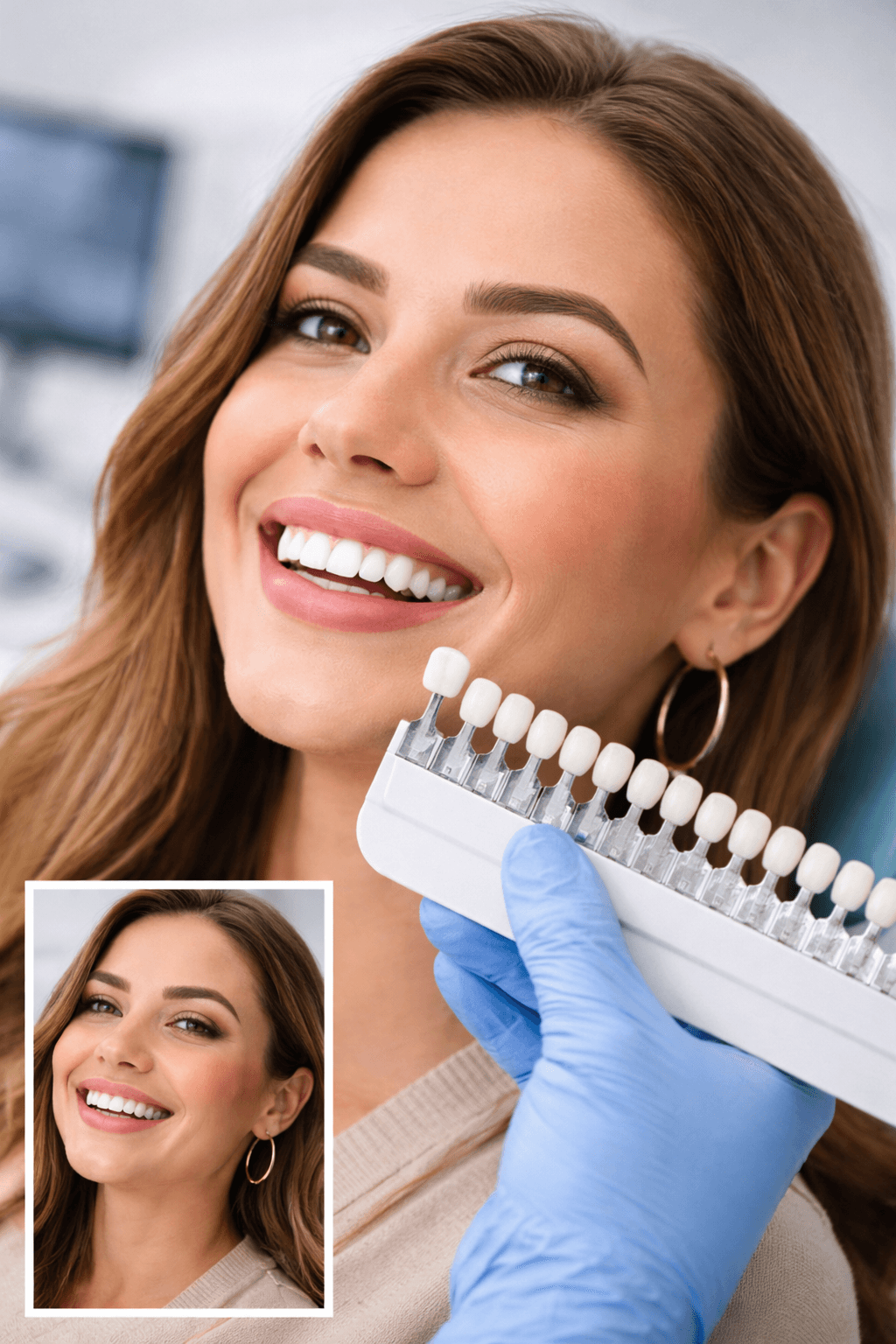
One of the most important components of smile design is the condition and appearance of the teeth themselves. Teeth that are chipped, worn, or uneven can disrupt the natural flow of the smile, affecting both speech and chewing efficiency. Through Cosmetic Dentistry, treatments such as whitening, reshaping, bonding, or veneers allow the restoration of symmetry, brightness, and proportion while preserving the integrity of natural tooth structure. These procedures are planned carefully to ensure that the final outcome blends seamlessly with facial features rather than appearing artificial, maintaining a result that is both aesthetically pleasing and clinically stable.
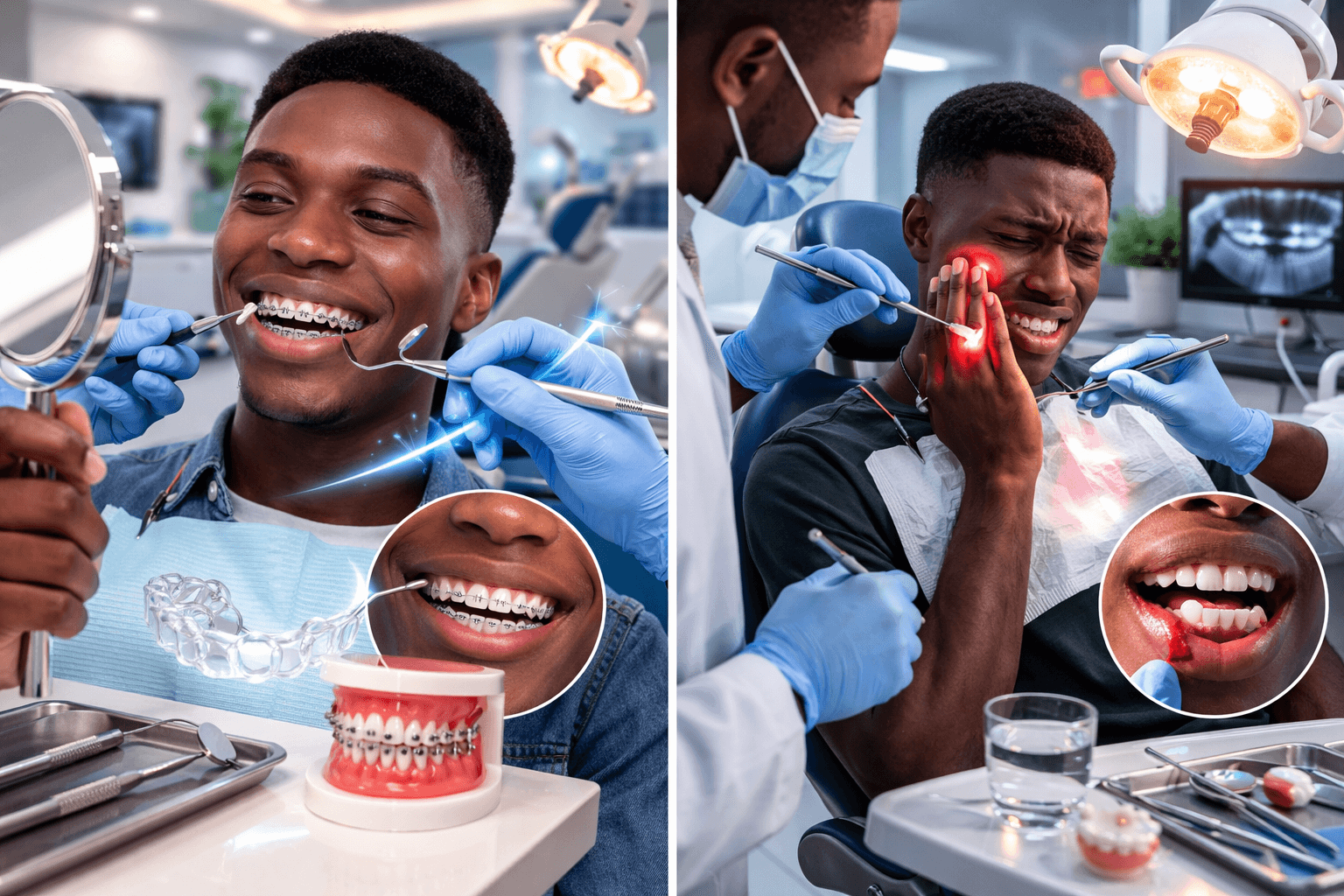
Alignment plays an equally significant role in creating a balanced smile. When teeth are crowded, rotated, or spaced irregularly, the visual impact extends beyond appearance alone. Misalignment can trap food particles, complicate oral hygiene routines, and create uneven bite pressure that leads to long-term wear or discomfort. Corrective treatments provided through Orthodontics address these issues by gradually repositioning teeth into optimal alignment, improving not only the visual harmony of the smile but also the functional stability of the bite. Over time, properly aligned teeth contribute to healthier gums, easier maintenance, and greater longevity of dental restorations.
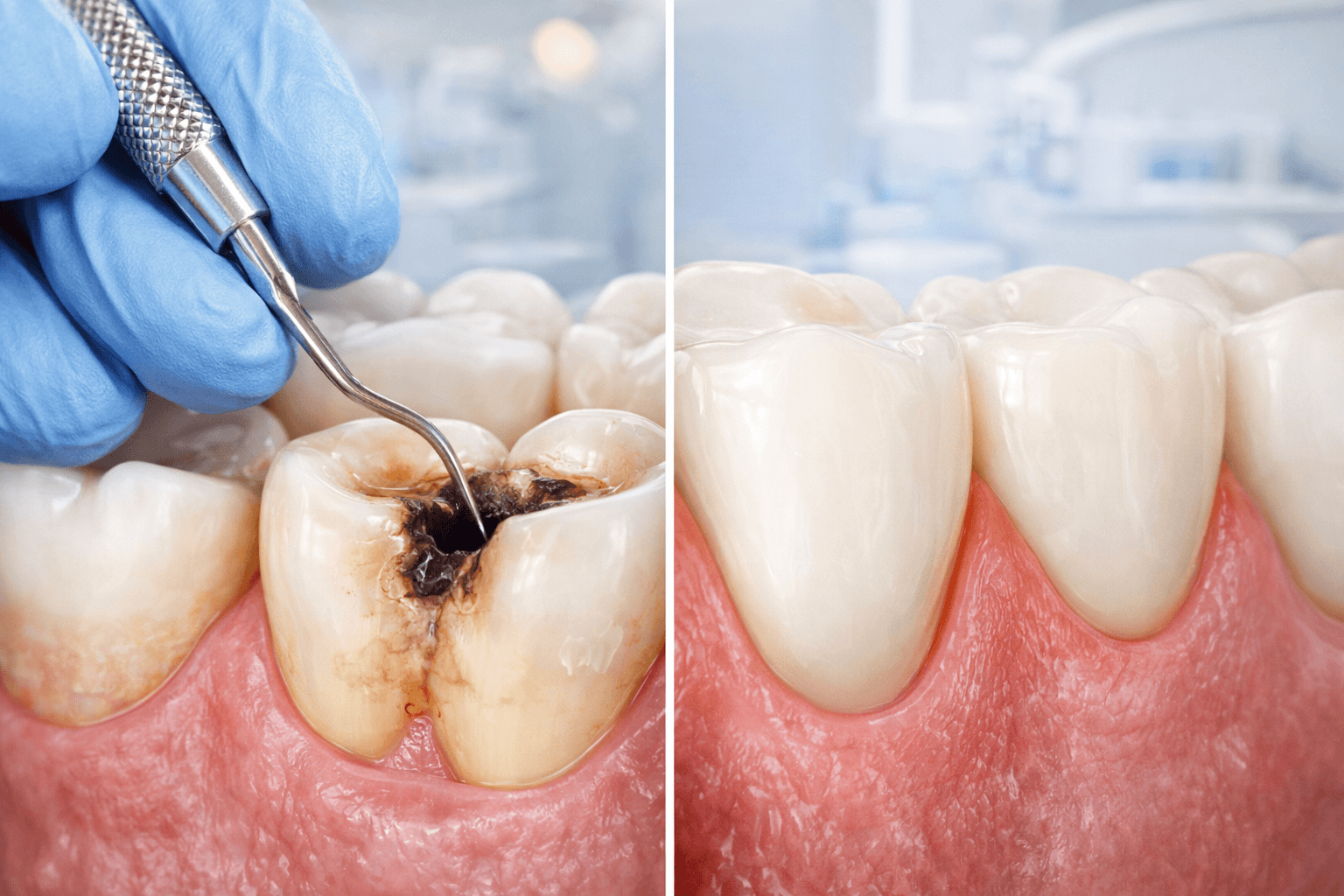
The health of the gums is another critical element that often determines whether a smile appears youthful and balanced. Healthy gums create smooth contours that frame the teeth evenly, while inflammation, recession, or uneven tissue levels can make teeth appear disproportionate or aged. Addressing these concerns through Periodontics ensures that the supporting tissues remain strong, infection-free, and capable of sustaining both natural teeth and cosmetic enhancements. Gum health is often the silent factor that determines the long-term success of smile design treatments, as even the most advanced cosmetic procedures rely on stable periodontal support.
Technological advancements have further refined the process of achieving precise smile transformations. Modern imaging systems allow clinicians to analyze facial proportions, tooth shape, and bite relationships with exceptional accuracy, enabling treatment plans that are tailored to each individual. Procedures carried out using Laser Dentistry provide an additional level of precision, allowing gum contouring, soft tissue adjustments, and therapeutic interventions to be performed with minimal discomfort and faster recovery times. These innovations make it possible to create subtle yet transformative changes that enhance the smile without extensive invasive procedures.
Beyond structural improvements, the emotional and psychological influence of a confident smile cannot be overstated. Individuals who feel comfortable with their smiles often engage more openly in conversations, express themselves more freely, and carry themselves with greater assurance in professional and social environments. The restoration of a balanced smile frequently leads to noticeable improvements in posture, communication style, and interpersonal interactions, illustrating how oral health and self-confidence are closely connected. Smile design, therefore, represents not only a clinical procedure but also a transformation that affects personal presence and daily experience.
Maintaining the results of modern smile design requires continuity of care. Regular examinations, professional cleanings, and periodic evaluations ensure that both teeth and gums remain healthy, preserving the structural integrity of the smile over time. Preventive visits also allow early detection of minor changes that may otherwise compromise long-term results, ensuring that aesthetic and functional improvements remain stable for many years. With consistent follow-up care, patients can enjoy the benefits of a restored smile while minimizing the likelihood of future complications.
The journey toward a balanced and confident smile begins with a detailed consultation, where oral health, facial proportions, and personal goals are carefully assessed to create a customized treatment pathway. Scheduling an evaluation through Contact / Book Appointment provides the opportunity to understand current oral conditions, explore available treatment options, and begin a structured plan that restores both confidence and oral stability.
Blog