What Research Reveals About Oral Disease and Why Early Dental Care Changes Everything
Discover what modern research reveals about oral disease progression and why early preventive dental care protects your teeth, gums, and long term confidence.
Adagogo Jaja
Modern dental science has spent decades studying one central question: why do some people maintain healthy teeth for life while others experience repeated cycles of decay, gum problems, and restorative treatment? The answer is rarely a single factor. It is almost always a pattern. A pattern of habits, timing, awareness, access to care, and most importantly, prevention.
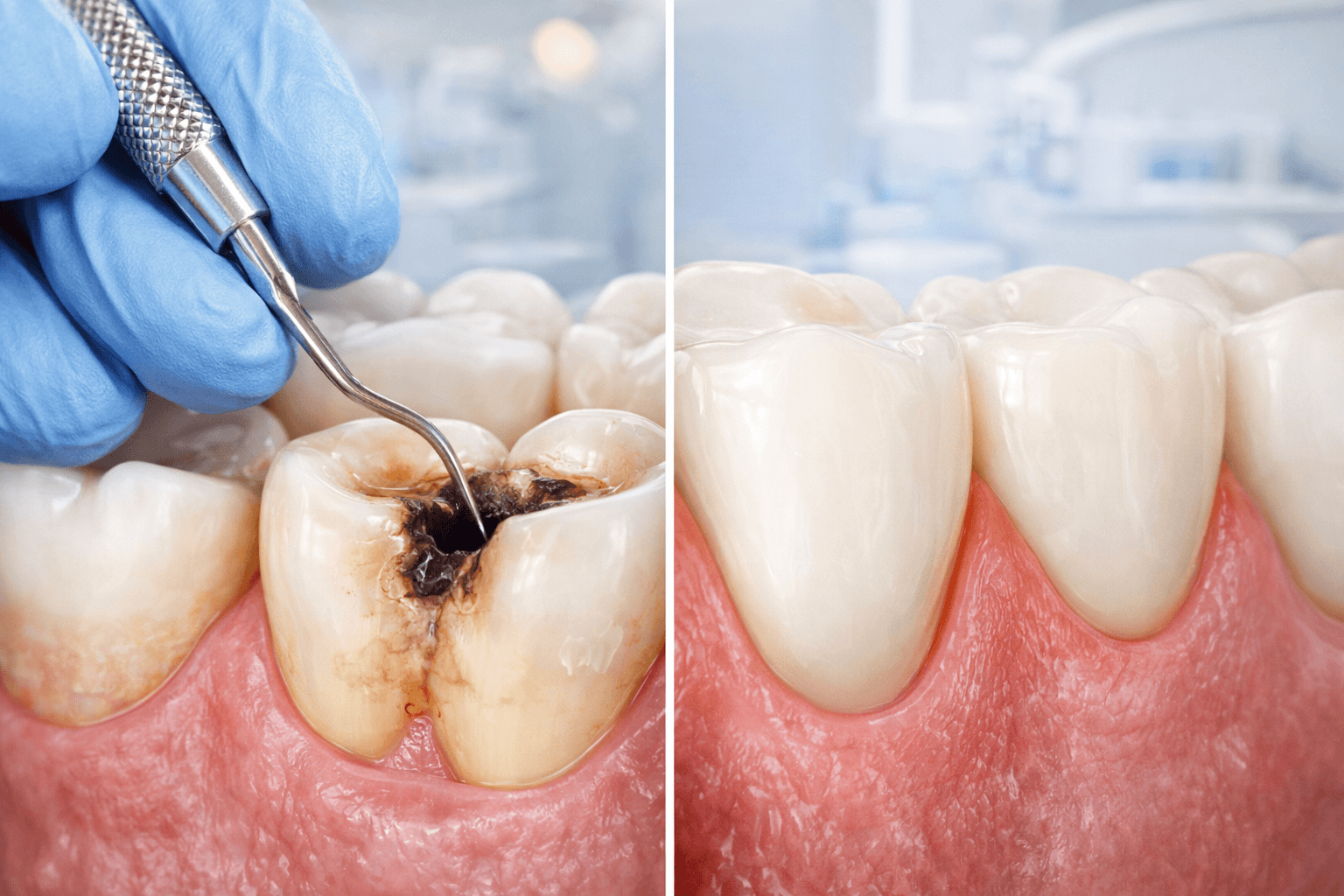
Research consistently shows that oral disease does not appear suddenly. It develops gradually, often quietly, and frequently without pain. Tooth decay begins as microscopic enamel demineralization long before a visible cavity forms. Gum inflammation starts subtly before any swelling becomes obvious. Structural wear builds slowly over years before sensitivity becomes noticeable. By the time discomfort emerges, the biological process has usually been active for some time.
This is why early dental intervention changes everything.
Many people in Nigeria still visit the dentist only when pain forces them to. Yet pain is often the final stage of progression, not the beginning. What science repeatedly confirms is that the earlier dental changes are identified, the simpler the intervention and the more predictable the long term outcome.
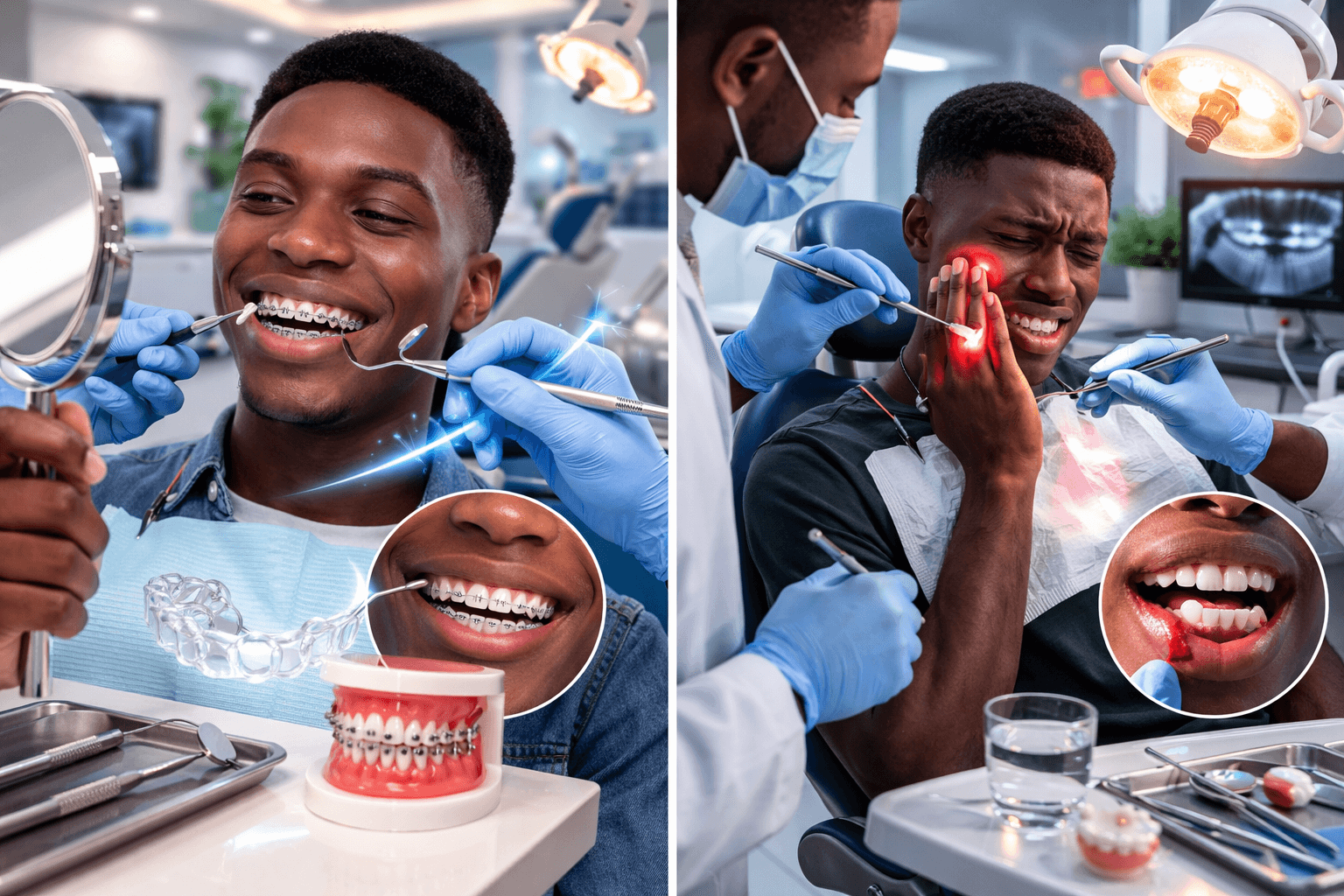
When patients attend regular appointments under Family Dentistry, something powerful happens. Small issues are intercepted before they escalate. Early enamel changes are managed without extensive drilling. Minor gum inflammation is reversed before attachment loss occurs. Bite irregularities are corrected before they cause structural stress. Preventive care transforms dentistry from reaction to preservation.
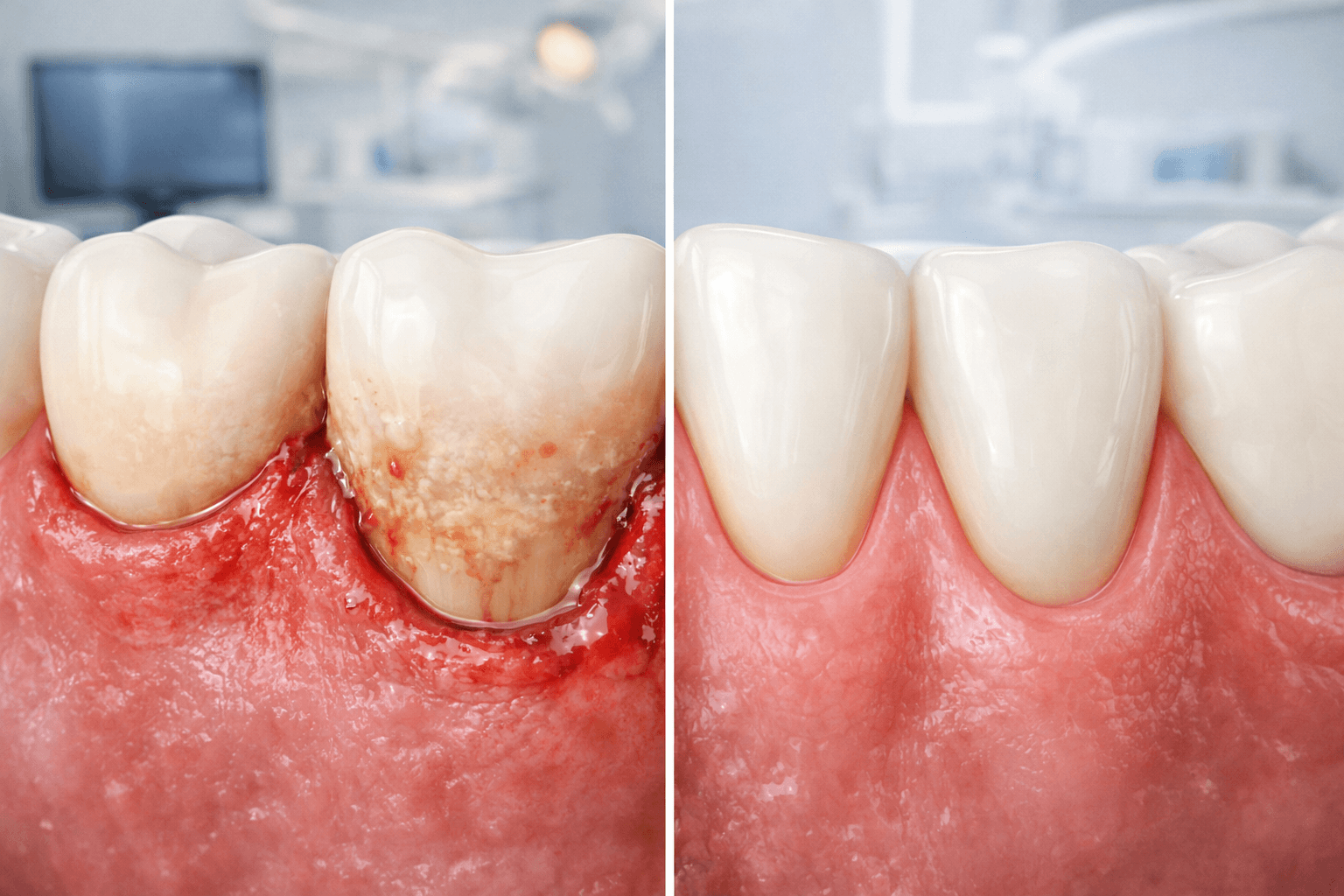
One of the most significant findings across oral health research is the relationship between gum health and tooth longevity. The stability of a tooth depends less on the visible crown and more on the strength of the supporting tissues beneath it. When gum inflammation progresses unchecked, it weakens the connective fibers and bone that anchor teeth in place. The result is not immediate pain but gradual instability.
Through structured Periodontics, early pocket formation, tissue inflammation, and bone changes can be measured and managed. What appears minor today can be prevented from becoming destructive tomorrow. Gum health is not cosmetic. It is foundational.
Research also highlights the importance of biofilm control. Bacteria naturally accumulate in the mouth every day. This is normal. The problem arises when this accumulation remains undisturbed long enough to mature and harden. Once hardened, it cannot be removed through brushing alone. Professional cleaning disrupts this cycle. It resets the biological environment of the mouth.
This is why preventive appointments are not optional luxuries. They are biological maintenance.
Technology has further strengthened early intervention strategies. Precision diagnostics allow clinicians to detect changes before they are visible to the eye. Minimally invasive approaches such as Laser Dentistry improve soft tissue management, reduce discomfort, and accelerate healing. Dentistry has evolved far beyond extraction and repair. It is now centered on preservation.
Another important theme emerging from oral health research is the psychological factor. Patients who maintain structured preventive care often report greater confidence, fewer emergency visits, and more stable long term outcomes. Confidence in oral health changes behavior. People smile more freely. They speak without hesitation. They engage socially without self awareness.
Oral disease does not only affect teeth. It influences posture, communication, and professional presence. Preventive dentistry protects more than enamel. It protects self assurance.
There is also a practical dimension. Early care is almost always less complex than late stage intervention. Small restorations are simpler than full reconstructions. Early periodontal therapy is more predictable than advanced regenerative procedures. Prevention reduces both biological burden and financial strain.
What research ultimately teaches us is this: oral disease is progressive but preventable. The timeline of deterioration is rarely dramatic. It is gradual. And that gradual nature gives us opportunity. Opportunity to intervene. Opportunity to stabilize. Opportunity to preserve.
In Lagos and Abuja, individuals who adopt a preventive mindset often find that dentistry becomes easier over time, not harder. Their appointments become maintenance visits rather than corrective procedures. Their treatment plans become shorter. Their confidence becomes stronger.
The most powerful step is simply beginning. A comprehensive evaluation through Contact / Book Appointment establishes a baseline. From that baseline, change becomes measurable. Monitoring becomes structured. Prevention becomes intentional.
Oral health is not built in a single visit. It is built through consistency.
And consistency begins with awareness.
Blog