Orthodontics and Emergency Care: Why Your Smile Needs Both Stability and Safety
Explore why effective orthodontic alignment and emergency dental care are essential partners in long term oral health, comfort, and smile stability.
Adagogo Jaja
A healthy smile is built on more than just bright teeth and strong gums. It is also shaped by how well your teeth are aligned and how prepared you are when the unexpected happens. In everyday life, most people associate orthodontics with straightening teeth, and emergency care with sudden pain or injury. Yet both are fundamentally connected to long term oral health, daily comfort, and confidence.
At our clinics in Lagos and Abuja, we see countless cases where orthodontic alignment and emergency dental responses intersect. A misaligned bite contributes to excessive wear, increased risk of trauma, and chronic sensitivity. When these issues are left unaddressed, even minor emergencies can escalate into complex problems. The cost of reactive treatment often becomes far greater in time, money, and emotional stress than proactive alignment and preparedness.
Understanding this connection transforms how people think about dental care. Orthodontics is not just cosmetic. It is a structural solution that improves how your bite functions, how your teeth distribute chewing forces, and how easy it is to keep your mouth clean and healthy. Emergency care, meanwhile, is not only about short term relief but about preserving long term outcomes so that your corrective investments endure.
Why Orthodontics Matters More Than You Think
Many adults still believe that orthodontics is something only for teenagers. Yet alignment concerns do not disappear simply because someone has left adolescence. Crowded teeth, spacing issues, and bite imbalances affect millions of adults, and these challenges often become more pronounced over time.
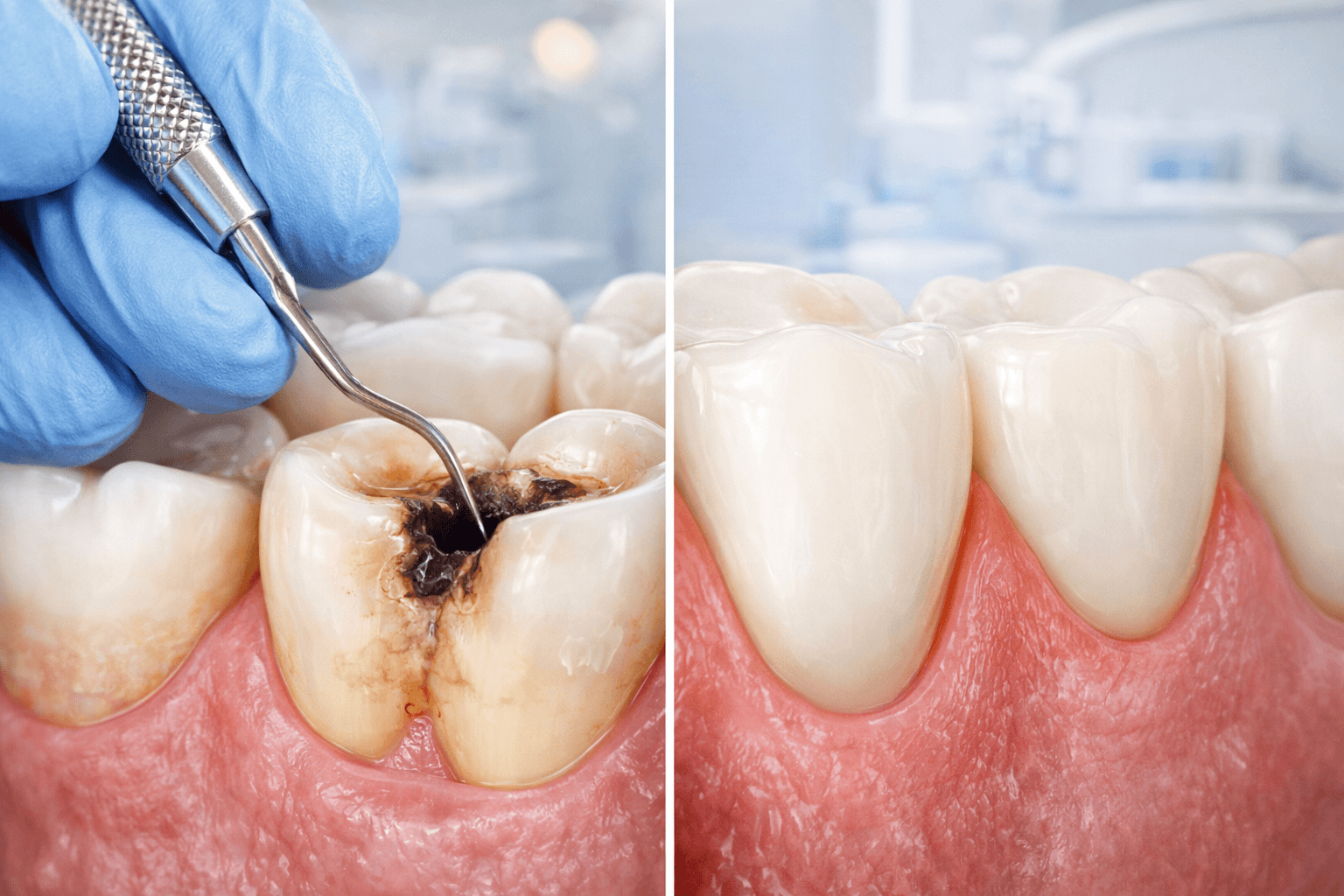
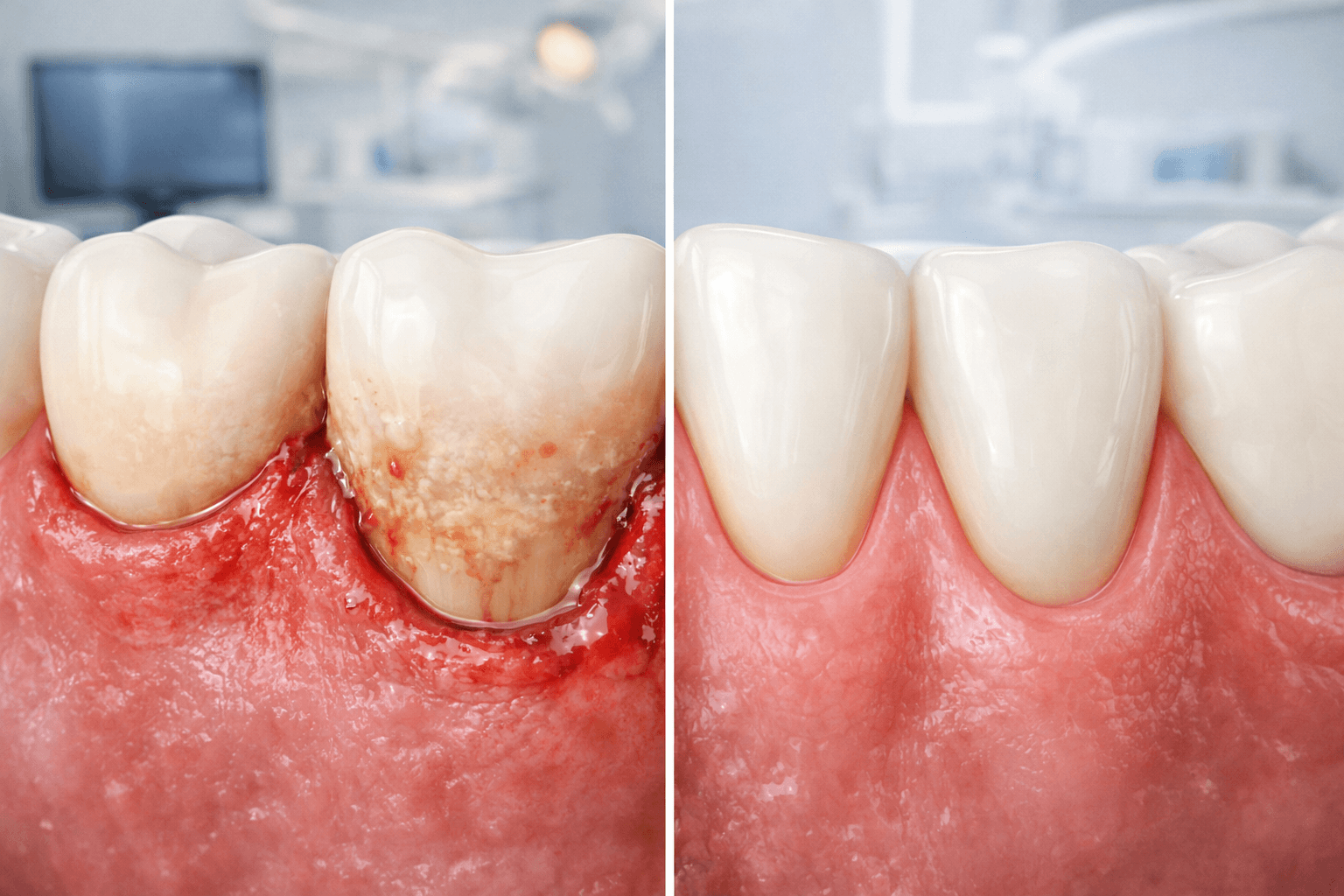
Misaligned teeth make cleaning difficult, trap food particles, and increase the risk of decay and gum inflammation. They also create uneven biting forces that lead to excessive enamel wear, jaw discomfort, and even headaches. When alignment is compromised, the whole system becomes less efficient. Good orthodontic care corrects these inefficiencies, improving both aesthetics and oral health.
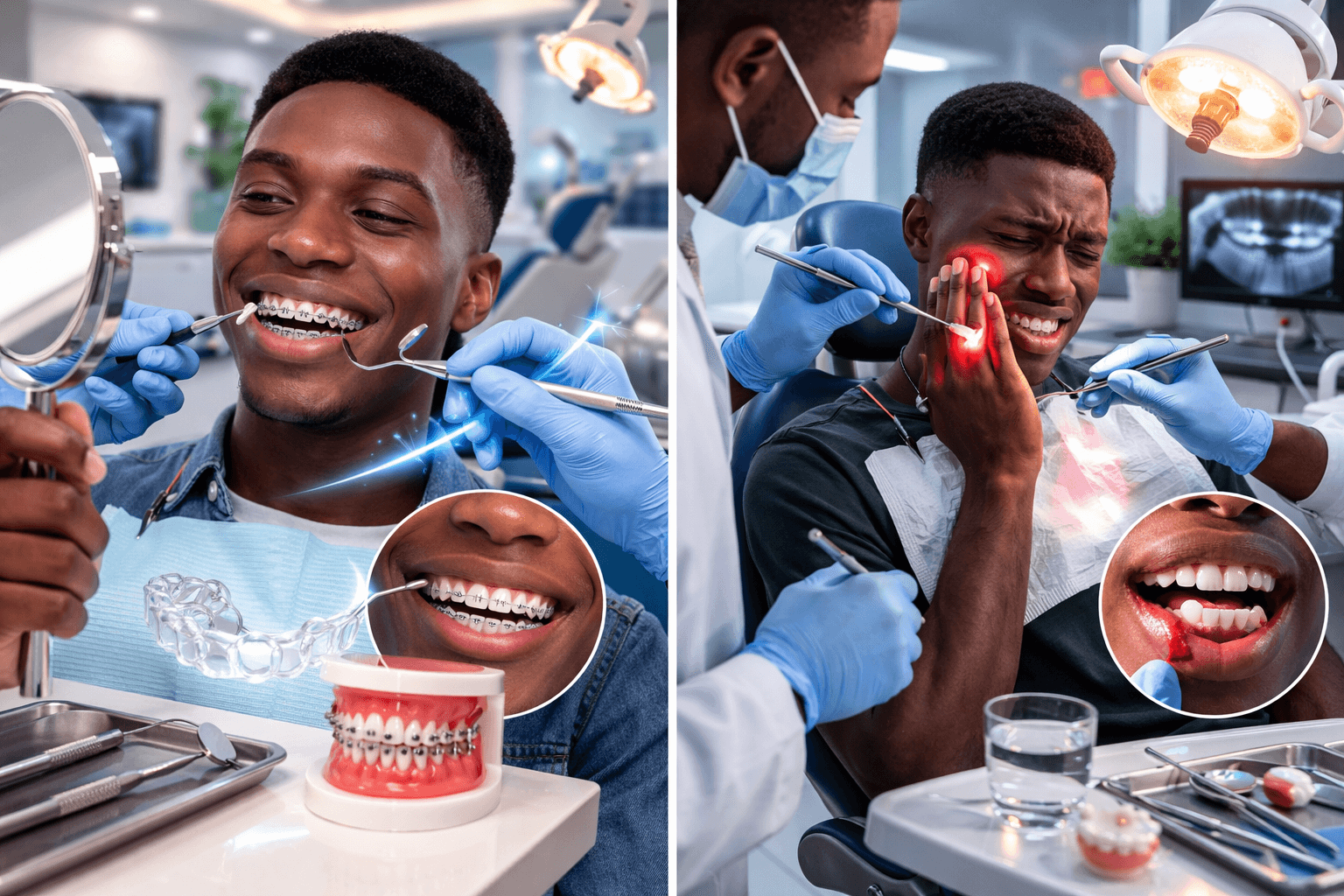
Over the past decade, orthodontic solutions have evolved beyond the traditional metal braces many remember from school. Clear aligner systems offer discreet pathways to alignment that fit into professional and social lifestyles. Whether it is traditional methods or modern aligners, the goal remains the same: to position teeth in a way that supports balanced function and optimized hygiene.
From the first consultation, our orthodontic approach focuses on understanding each patient’s unique jaw relationships, alignment patterns, and long term goals. With a detailed plan in place, alignment becomes part of a broader strategy to protect the smile for years to come.
When Alignment Prevents Emergencies
This is a connection many people overlook. Misaligned teeth are more prone to chipping, cracking, or sudden discomfort because they do not share forces evenly. Imagine walking into a room, biting into something slightly harder than expected, and suddenly feeling a sharp pain. In many cases, that pain is not an isolated problem. It is the result of years of structural imbalance.
Preventive orthodontic care reduces these risks by redistributing chewing forces across the dental arch, increasing the resilience of individual teeth, and making oral hygiene more effective. When teeth are aligned correctly, they are less likely to fracture, less likely to wear unevenly, and easier to keep clean.
Proper alignment also supports jaw comfort. Temporomandibular joint discomfort, clicking, or chronic sensitivity often trace back to alignment issues. When the bite fits together harmoniously, emergency dental visits become far less frequent, and minor problems are more easily managed.
Emergency Care: What It Really Means
Emergency dental care is often misunderstood. Many people equate it only with pain relief. But effective emergency care is about identification, stabilization, and preservation.
A sudden knock to the mouth, an unexpected crack while eating, or a toothache that keeps you awake at night are all situations that deserve immediate professional attention. These events can escalate quickly when left untreated, leading to infections, tissue damage, and even tooth loss.
Our approach to emergency care is to address the immediate discomfort while simultaneously safeguarding the long term integrity of the teeth and gums. This requires swift evaluation, accurate diagnosis, and coordinated treatment planning so that you are not only comfortable today but stable tomorrow.
How Orthodontics and Emergency Care Work Together
When you think about your smile as a system, orthodontics and emergency care are part of the same framework: they work together to protect and preserve.
Orthodontics decreases mechanical risk.
Emergency care addresses the unexpected.
Together they ensure that your smile remains functional, comfortable, and reliable.
For example, someone with well aligned teeth is less likely to experience sudden fractures because biting forces are balanced. If trauma does occur, properly aligned teeth are easier to stabilize, treat, and integrate back into healthy function.
Conversely, teeth that are already compromised by misalignment often suffer greater consequences during traumatic events, requiring more intensive intervention. The cycle of misalignment and emergency response can create repeated visits and greater long term impact on oral health.
Real Patient Experiences
We have seen adults who ignored alignment concerns for years, only to experience a sudden fracture that forced an emergency visit. Once the acute pain was managed, they began orthodontic alignment and soon noticed a decrease in sensitivity, fewer chips, and stronger chewing function.
We have also met families whose children had chronic irritation and discomfort due to crowded teeth. After orthodontic evaluation and treatment, not only did their smiles appear straighter, but their oral hygiene routines improved dramatically, and emergency visits became uncommon.
These outcomes reflect the way structure and preparedness work hand in hand to support long term oral wellbeing.
Starting Your Journey
The best way to protect your smile from both structural inefficiencies and unexpected events is through a coordinated dental strategy. Orthodontic evaluation is a powerful step toward alignment, balance, and easier long term care. Emergency readiness ensures that when the unexpected happens, you are not only relieved of pain but supported in a way that preserves your smile for the future.
You can begin with a consultation through Contact / Book Appointment, where alignment needs and structural goals can be evaluated in the context of your overall oral health plan
Blog