Why Gum Disease Is the Silent Threat to Your Smile
Learn why gum disease is a silent threat to your smile, how it affects tooth stability, and how preventive care and periodontal treatment protect long-term oral health.
Adagogo Jaja
A healthy smile is often judged by the brightness and alignment of the teeth, yet the true stability of that smile depends on something less visible and frequently underestimated: the health of the gums. Gum disease, medically known as periodontal disease, develops gradually and often without significant pain, making it one of the most silent yet destructive threats to long-term oral health. By the time noticeable symptoms appear, structural damage may already have occurred beneath the surface.
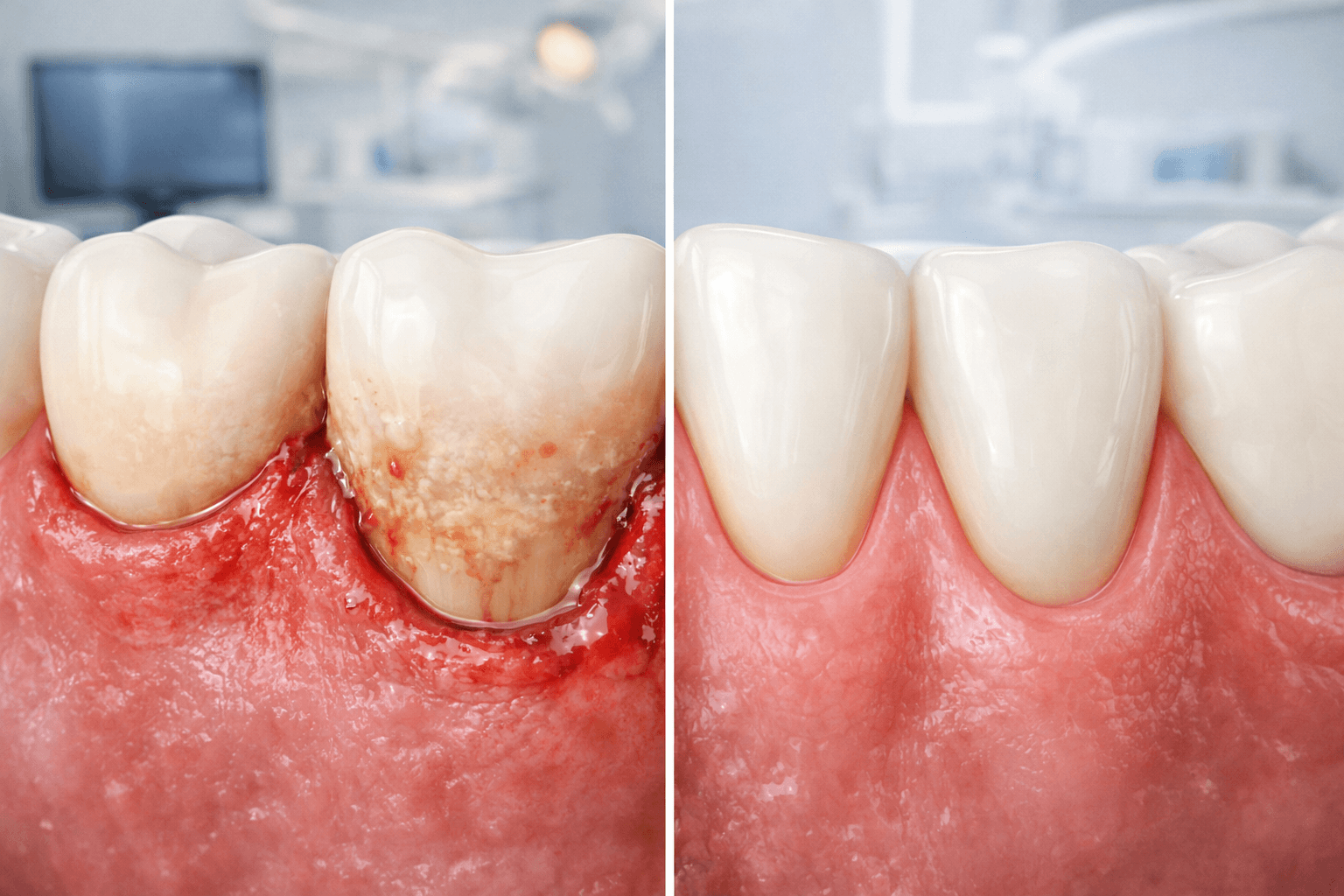
Gum disease typically begins with inflammation of the gum tissue caused by the accumulation of bacterial plaque along the gum line. In its earliest stage, often referred to as gingivitis, symptoms may include mild redness, swelling, or bleeding during brushing. Because these signs are subtle and rarely painful, many individuals overlook them or assume they are temporary. However, persistent inflammation can extend deeper into the supporting tissues, gradually affecting the connective fibers and bone that anchor the teeth in place.
As periodontal disease progresses, the attachment between the tooth and surrounding tissue weakens. Small pockets may form between the gums and teeth, creating spaces where bacteria accumulate and multiply. Over time, these pockets deepen, and bone support begins to diminish. Teeth that once felt firm may gradually become mobile, shifting position and altering the appearance of the smile. In advanced cases, tooth loss becomes a real possibility—not because of decay within the tooth itself, but because the supporting structures have been compromised.
The silent nature of gum disease makes preventive evaluation essential. Regular assessments provided through Family Dentistry allow early signs of inflammation to be identified before attachment loss occurs. Professional cleanings remove hardened deposits that cannot be eliminated through daily brushing, reducing the bacterial load responsible for tissue breakdown. When detected early, gingival inflammation is often reversible with proper care and improved hygiene practices.
When periodontal disease has advanced beyond early inflammation, specialized care becomes necessary. Through comprehensive Periodontics, gum pocket measurements, tissue evaluations, and targeted treatments help stabilize affected areas and prevent further deterioration. Managing gum disease at this stage focuses on controlling infection, restoring tissue health, and preserving remaining bone support. Early intervention remains the most effective strategy for preventing irreversible damage.
Modern techniques have significantly improved the management of periodontal conditions. The use of Laser Dentistry enables precise removal of infected tissue while minimizing trauma to surrounding areas. Laser-assisted procedures reduce bleeding, promote faster healing, and improve patient comfort compared to traditional surgical methods. These advancements make periodontal therapy more accessible and less intimidating, encouraging patients to seek care before complications intensify.
Beyond the structural impact on the teeth, gum disease influences overall oral function. Progressive bone loss can disrupt bite alignment, alter chewing patterns, and increase strain on surrounding teeth. Chronic inflammation within the mouth may also contribute to systemic inflammatory responses, reinforcing the importance of maintaining periodontal health as part of overall wellbeing. Addressing gum disease is therefore not merely a cosmetic concern but a fundamental aspect of comprehensive health care.
Risk factors for periodontal disease include inadequate oral hygiene, tobacco use, uncontrolled systemic conditions, stress, and dietary habits. Individuals may also have genetic predispositions that increase susceptibility to gum inflammation. Regular dental visits provide an opportunity to assess these risk factors, implement preventive strategies, and tailor care plans to individual needs. Consistent monitoring helps ensure that small changes are addressed promptly, preserving long-term stability.
The most effective defense against gum disease is continuity of care. Routine examinations, professional cleanings, and early periodontal evaluations create a protective framework that safeguards the supporting structures of the teeth. When patients adopt this preventive model, the likelihood of advanced periodontal complications decreases significantly. Scheduling an evaluation through Contact / Book Appointment provides the first step toward protecting the foundation of your smile and preventing the silent progression of gum disease.
Blog