Understanding the State of Oral Health in Nigeria and the Importance of Preventive Dental Care
Understanding the State of Oral Health in Nigeria and the Importance of Preventive Dental Care

Oral health remains an essential yet often overlooked component of overall wellbeing in many parts of the world, and Nigeria is no exception. While awareness of dental care has grown steadily in recent years, many individuals still seek treatment only when discomfort or visible problems arise, rather than adopting a preventive approach that preserves long-term oral stability. This pattern contributes to the persistence of gum disease, untreated tooth decay, and other oral conditions that could otherwise be managed at earlier stages through routine professional care.
Studies examining oral health patterns in Nigeria indicate that periodontal disease can begin affecting individuals at relatively young ages, with significant proportions of adolescents and adults already showing signs of gum deterioration. At the same time, although tooth decay levels in some communities remain moderate, many affected teeth are never restored, leaving untreated damage that gradually worsens over time. These trends highlight an important challenge: the issue is not only the presence of oral disease but also the limited culture of early intervention and routine maintenance.
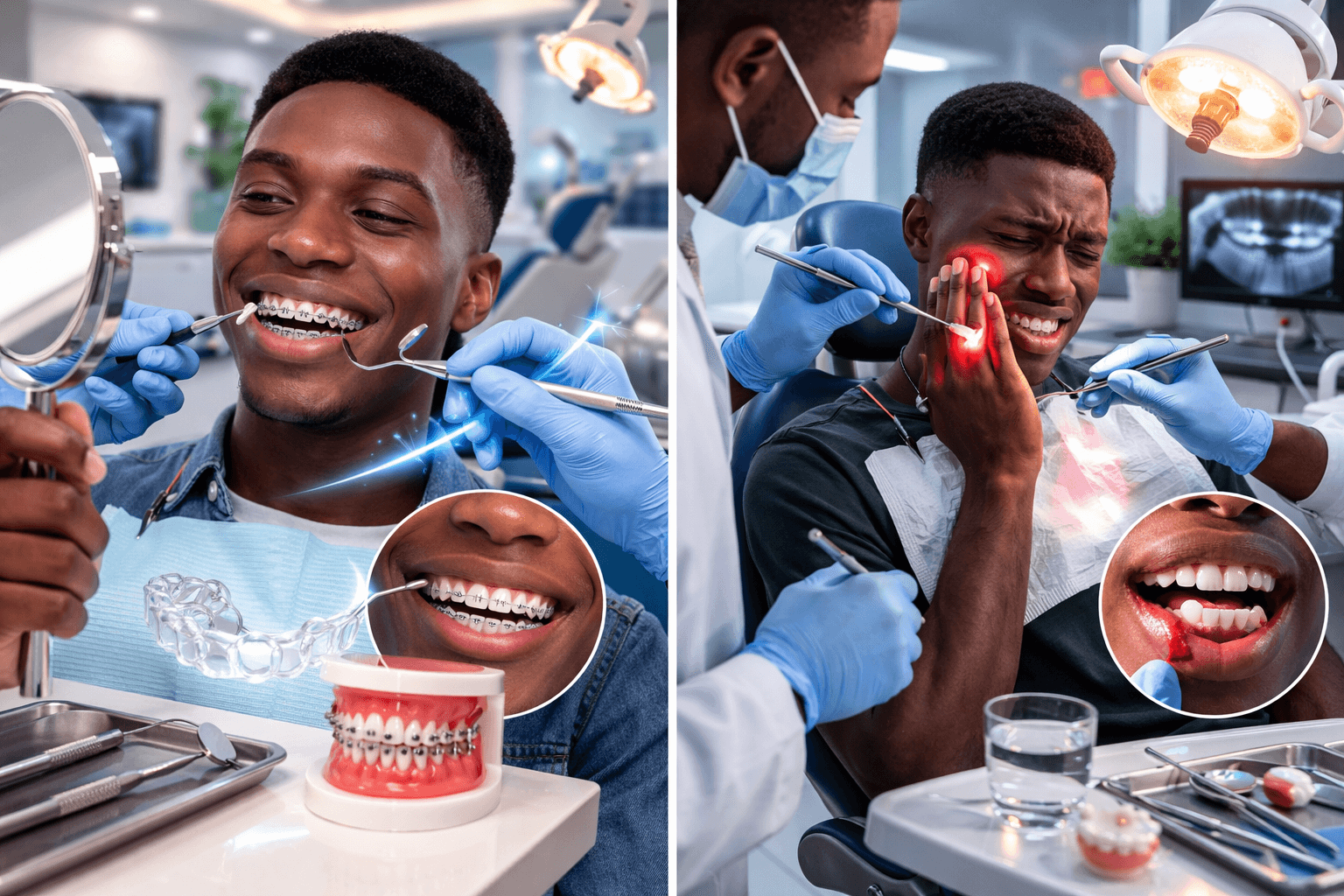
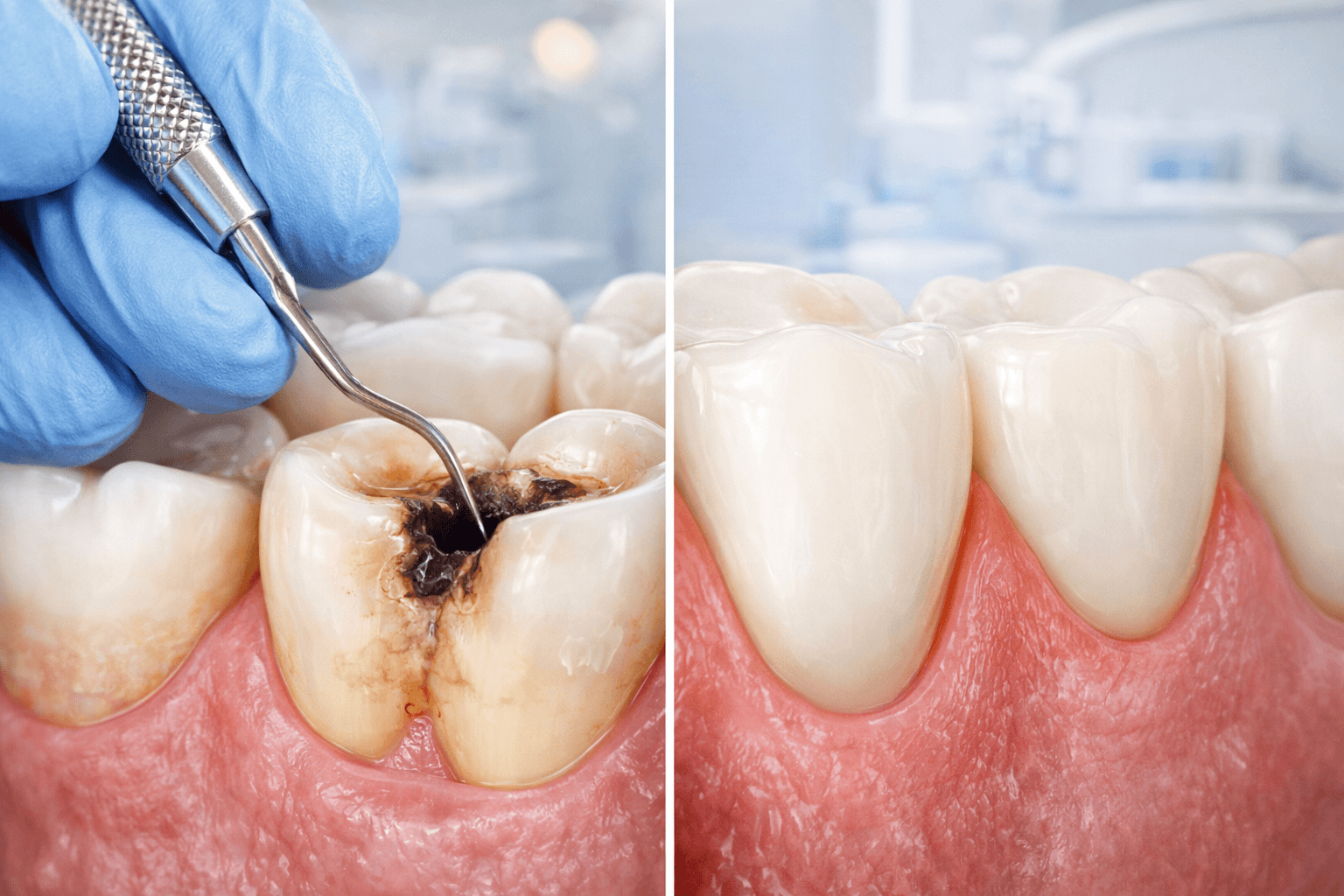
In clinical practice, we observe that many patients who eventually require extensive dental treatment initially experienced only minor symptoms that could have been managed through preventive care. Early gum inflammation, small cavities, or alignment issues often progress silently until they produce pain or functional difficulty. By the time treatment is sought, procedures may become more complex than they would have been with earlier detection. This reality reinforces the importance of preventive strategies delivered through Family Dentistry, where regular examinations, professional cleanings, and oral hygiene education create the foundation for lifelong oral health.
Dietary transitions and urban lifestyle changes also influence dental patterns in modern Nigeria. Increased consumption of processed foods, sugary beverages, and refined carbohydrates contributes to higher rates of tooth decay, particularly among younger populations. Combined with irregular dental visits, these habits create an environment in which minor dental problems gradually evolve into larger structural and periodontal issues. Addressing these risks requires not only treatment but also continuous patient education and professional monitoring, ensuring that early signs of disease are identified before they become advanced conditions.
Gum health plays a particularly significant role in maintaining overall dental stability. Periodontal disease, which affects the supporting tissues around the teeth, often progresses without noticeable discomfort in its early stages. When left untreated, it can lead to gum recession, tooth mobility, and eventual tooth loss. Through specialized Periodontics, early signs of gum deterioration can be identified and treated, preserving the structural integrity of the smile while preventing long-term complications. This preventive periodontal focus is essential for ensuring that restorative or cosmetic procedures achieve lasting results.
Advances in dental technology have also improved the ability to diagnose and manage oral conditions with greater precision and comfort. Techniques such as Laser Dentistry allow clinicians to treat gum infections, reshape soft tissues, and perform minimally invasive procedures that reduce healing time and patient discomfort. These technological innovations make preventive and therapeutic dental care more accessible and less intimidating, encouraging patients to seek treatment earlier rather than postponing visits until symptoms worsen.
Comprehensive oral health strategies must also address disparities in access to dental care. In many regions, dental services are concentrated in urban areas, leaving rural populations with limited availability of professional treatment. Even within cities, awareness and preventive habits vary widely, influencing how frequently individuals seek care and how early conditions are detected. Expanding awareness of routine dental visits and emphasizing preventive dentistry can significantly reduce the long-term burden of oral disease by encouraging individuals to view dental care as an ongoing health practice rather than an emergency response.
The long-term benefits of preventive dental care extend beyond the mouth. Healthy teeth and gums support effective nutrition, clear speech, and improved self-confidence, all of which contribute to overall quality of life. When oral disease is prevented or treated early, individuals experience fewer interruptions to daily activities, reduced healthcare costs, and greater psychological comfort in social and professional interactions. These outcomes demonstrate that investing in oral health is not merely an aesthetic decision but a meaningful step toward overall wellbeing.
For individuals seeking to maintain strong teeth, healthy gums, and long-term oral stability, the most effective starting point is a structured dental assessment followed by routine preventive care. Regular visits, early diagnosis, and personalized treatment planning ensure that oral conditions are managed before they escalate into more serious problems. Scheduling an evaluation through Contact / Book Appointment allows patients to begin this preventive pathway and establish a long-term plan for maintaining oral health across the years.
Blog